√ grade 3 club foot horse 184882-Grade 3 club foot horse
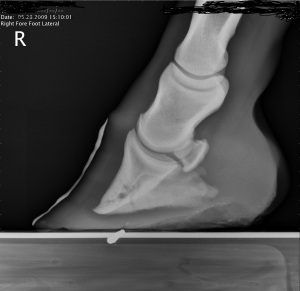
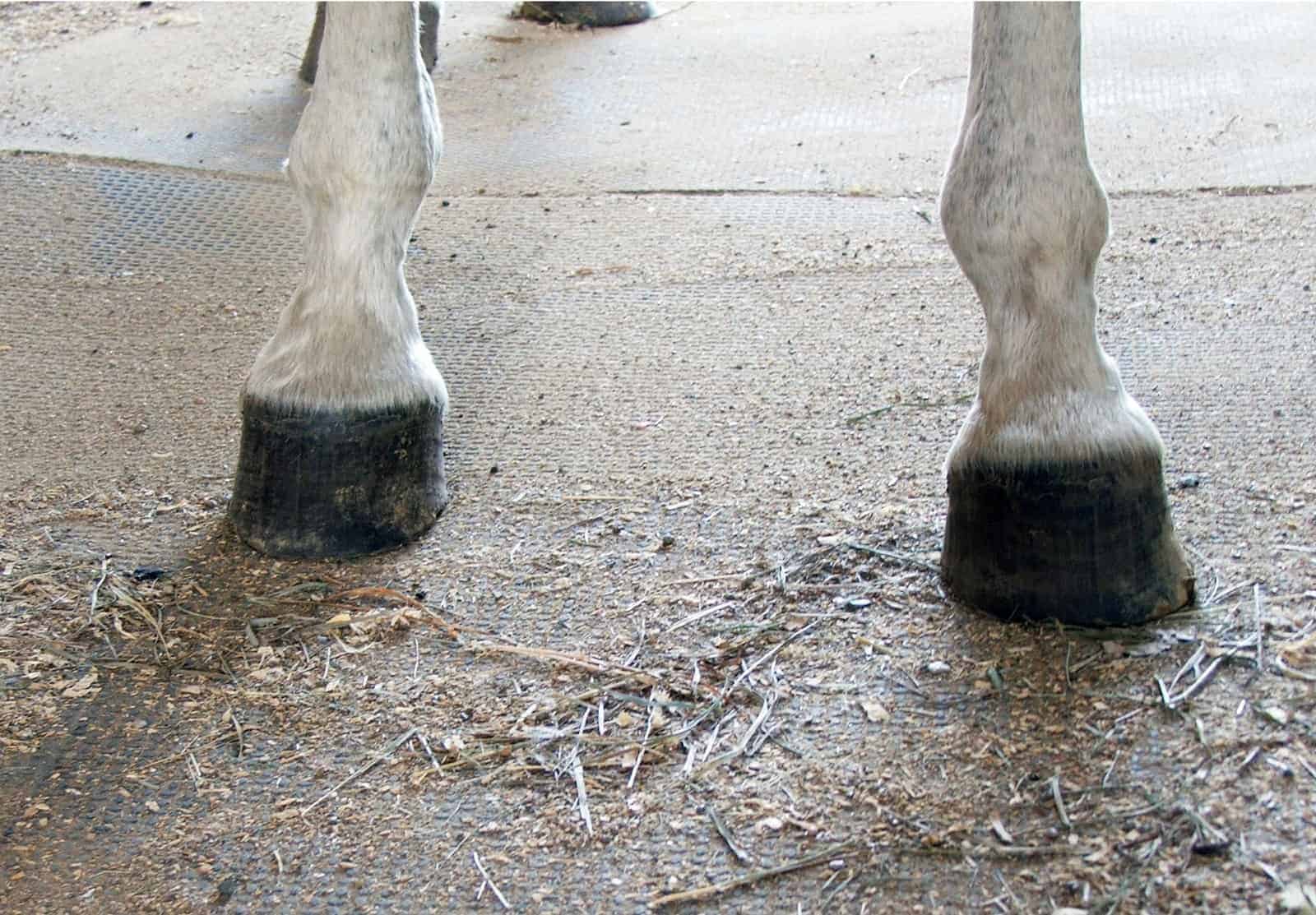
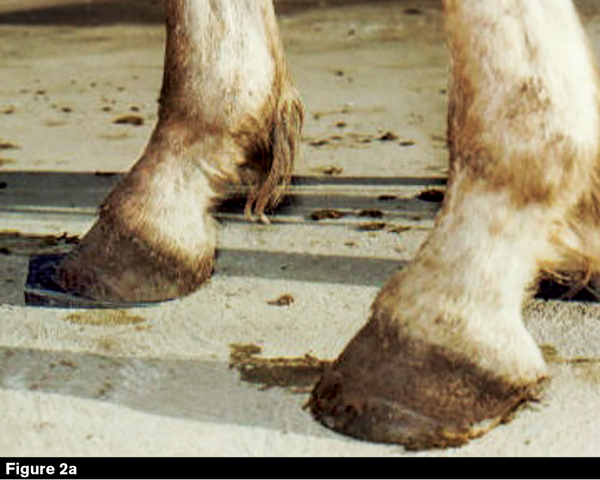
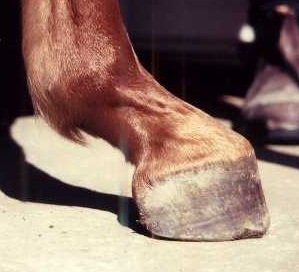
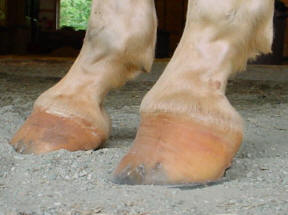
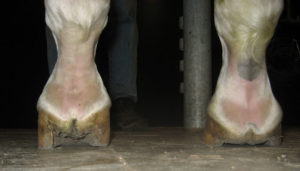
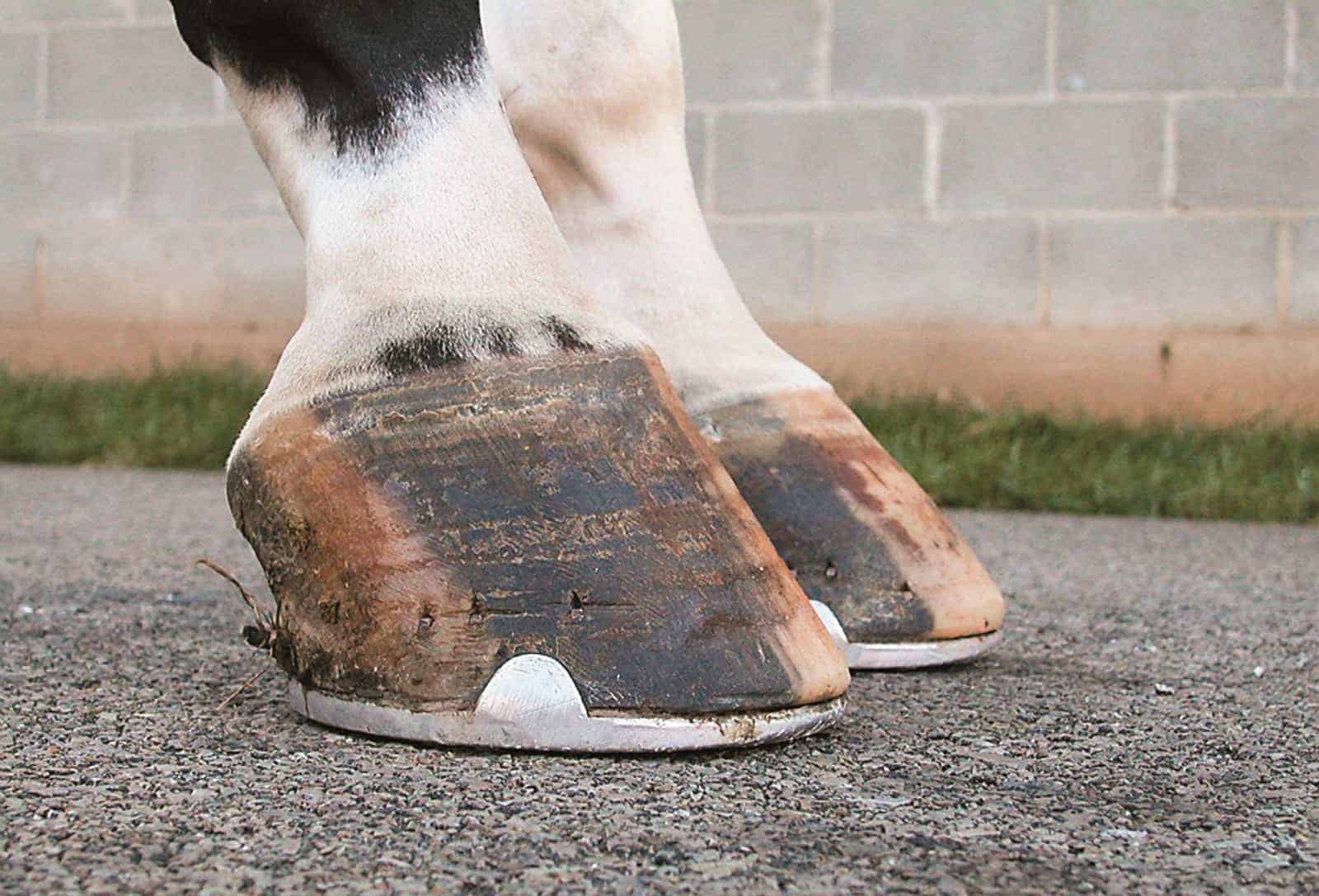
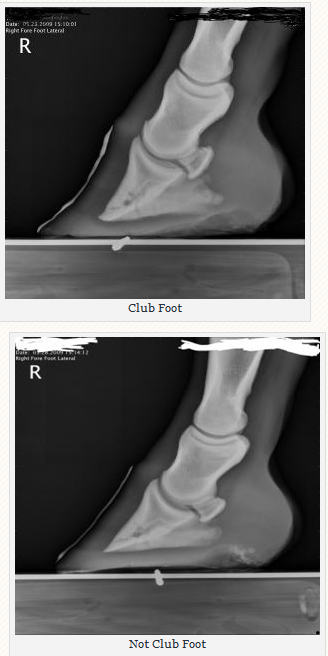
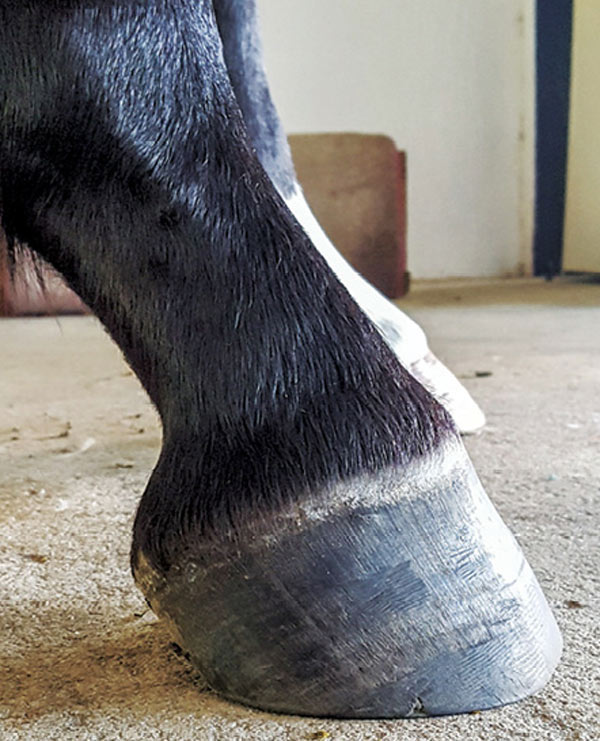
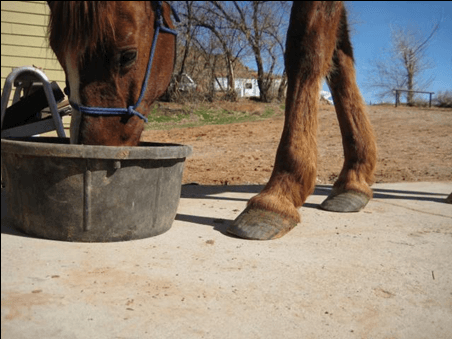
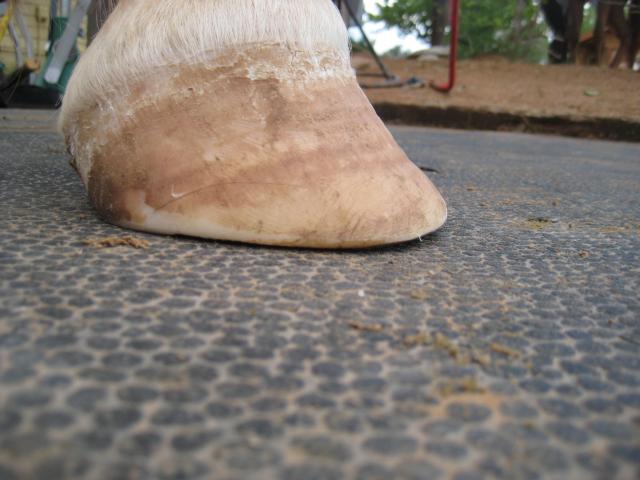
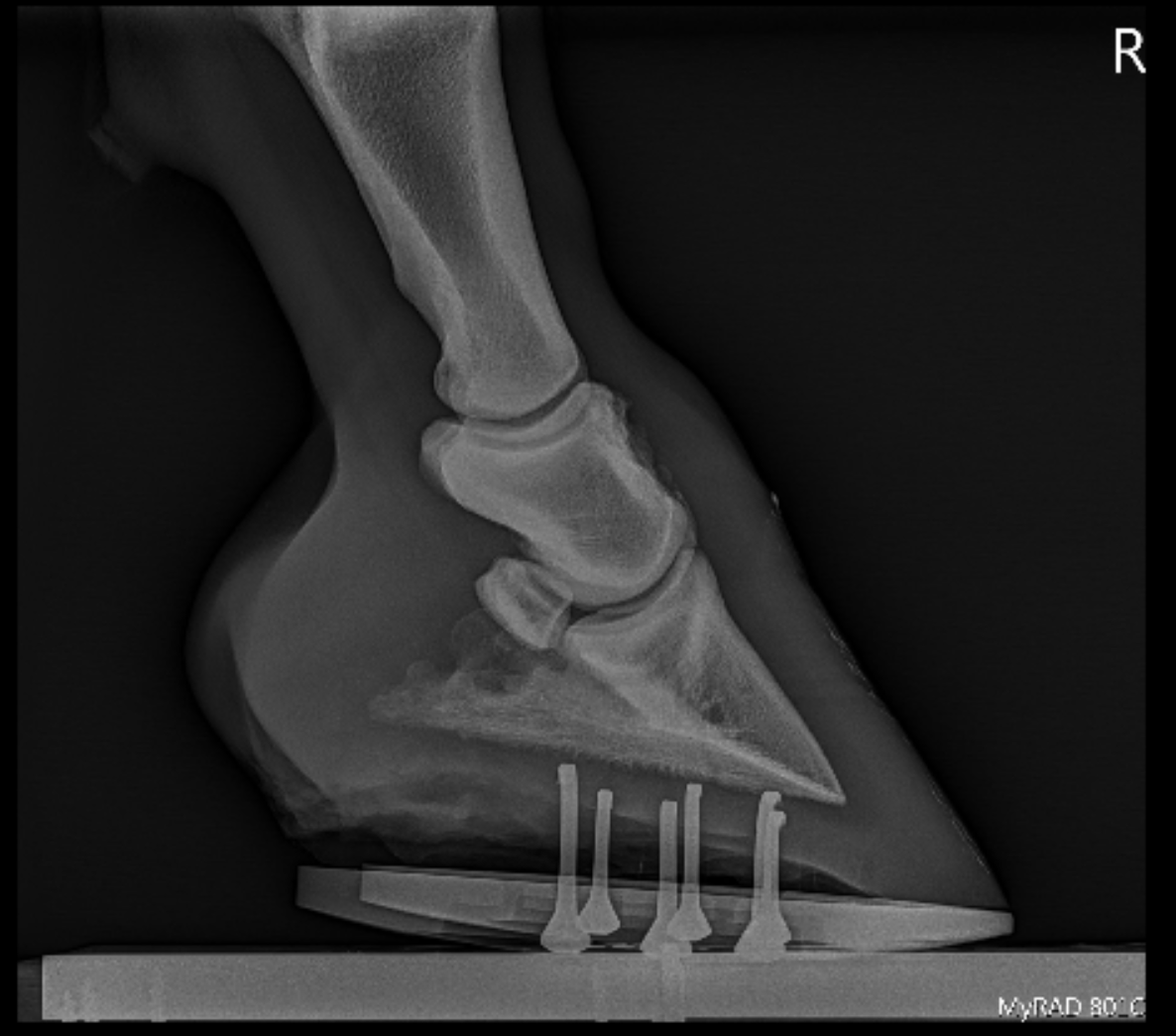
A mild club foot may worsen if trimmed infrequently or improperly and by the time the horse is 2 or 3 years old the problem becomes more obvious The horse may develop an uneven stride and rough gait (and some loss of agility) due to the mismatched hoof angles The hoof horn may grow faster at the heel than at the toe, accentuating the problem Picture 1 Grade 4 Club Foot, upright and boxy appearance Picture 2 Slam Dunk Foot, note low heel/long toe Picture 3 LM Radiograph of Grade 2 CFS, note dish in hoof wall Picture 4 LM Radiograph of "Slam Dunk" or counterpart to the Club FootCuddles is a twofoothigh miniature horse and serves as the guiding eyes of Shaw, who is visually impaired In the early 19s, Morris Frank made history by becoming the first person in America to receive a guide dog

Recognizing And Managing The Club Foot In Horses Horse Journals
Grade 3 club foot horse
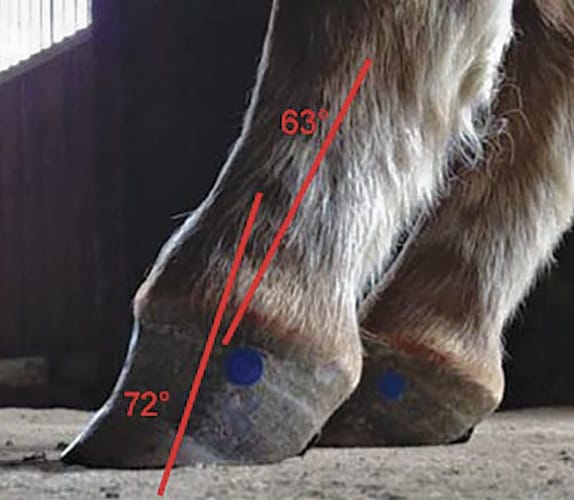
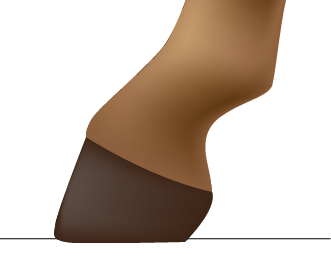
Grade 3 club foot horse-However, for the best outcome of treatment, it is crucial for the veterinarian to identify and begin a strategy as early as possible That strategy must be influenced by the severity of the club foot, Dr Ric Redden's provided the fourgrade system to measure this severity "Grade one is classified by having a hoof angle that is atA horse with club foot has one hoof that grows more upright than the other The "up" foot is accompanied by a broken forward pastern, that is, the hoof is steeper than the pastern (Photo 1) In a normal foot, the hoof capsule and the pastern align Radiographs will show that the boney


Understanding Club Foot The Horse Owner S Resource
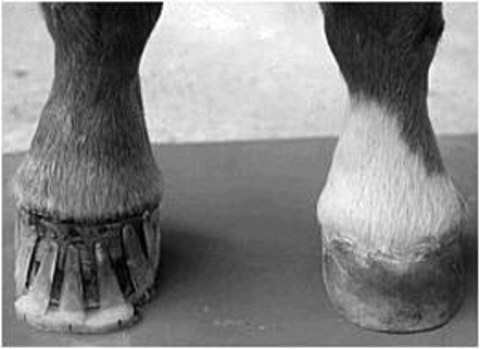
Figure 2 compares a foot with a severe negative palmar angle on the left to a grade 3 club on the right The foot on the left has vascular compression under the wings of the coffin bone and the foot on the right has compression under the apex of the coffin bone Q How should I treat a grade 3 or 4 laminitic club foot? Thank you for replying!
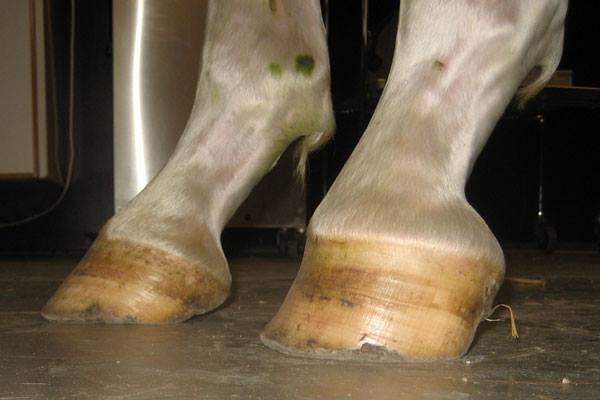
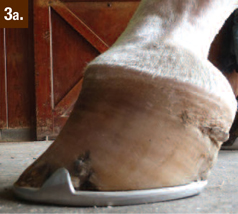
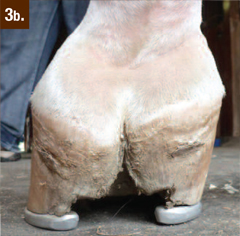
Grade 3 Club Feet The hoof wall of a grade 3 is dished and the growth rings are twice as wide at the heel as at the toe The impression of the coffin bone on the sole can be seen clearly, it will be just forward of the apex of the frog The sole shows signs of direct weight bearing as it will be bruised in many cases A true club foot is significantly more upright than the other hooves, or the angles of both hoof walls are steeper than the angles of the pasterns The severity of the problem is commonly graded on a fourpoint scale Grade 1, the mildest form of club foot, might be so subtle it's hard to spot "A grade 1 might have a three to fivedegreeA grade 3 club foot on a mature horse Note the broken forward hoofpastern axis, the concavity in the dorsal hoof wall, the disparity in hoof wall growth between the toe and the heel and the poor hoof wall consistency distally Figure 3b Shows the frog to
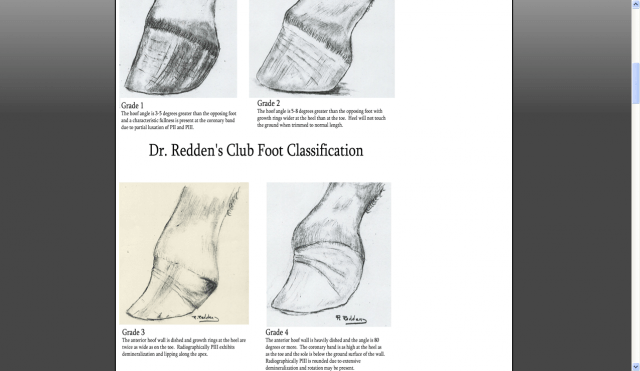
When a horse has a club foot, the horse is reluctant to take up the lead on the affected foot Horses are either right handed, left handed, or ambidextrous From my observations, when horses grow up with a club foot, they condition themselves to favor the normal foot because the club foot is the outcome of the horse's leg bones elongating through growth at a pace that the tendonsGrade 1 is 35 degrees greater than the opposing foot This is the milder case of club foot Grade 2 has a hoof angle of 58 degrees greater, and the heel will not touch the ground when trimmed to normal length Grade 3 club foot has an anterior hoof wall described as dished with the heel twice as wide as the toeA club foot is a DEFORMITY and for any horse to win at top level competition it needs every possible advantage and no drawbacks The only way to stop continuing problems with club footed horses is not to breed from them After 11 months of gestation, it is a costly and heart breaking exercise if it results in a club footed foal
Horse Foot
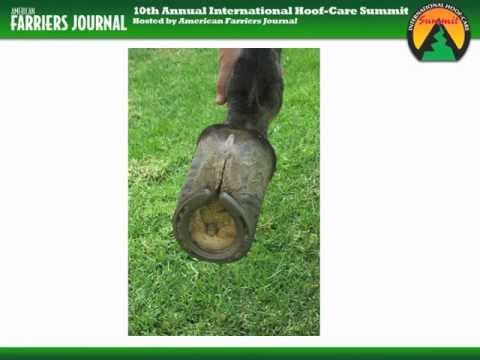
Webinar Shoeing The Club Footed Horse Youtube
A grade 3 club foot has a brokenforward hoofpastern axis, often a concavity in the dorsal aspect of the hoof wall, and the growth rings at the heels are twice as wide as those at the toeThis is my first experience with a club foot and I appreciate all input!Racehorse Easy Goer has a Grade III club foot (which ain't going to help his value at stud) Grade III's are likely to have have significant problems with anything more than the very lightest use Grade IV's are in very bad shape

Recognizing Various Grades Of The Club Foot Syndrome

Recognizing And Managing The Club Foot In Horses Horse Journals
There are four grades of club foot Grades 1 to 4 as follows Grade 1 – Only note a difference in the hoof angles that returns with each trim Grade 2 – Greater difference in hoof angles, growth rings begin to change There is an air gap (space between the bottom of the heel and the ground bearing surface heel does not fully weight bear/load on the ground In photo 1 you can see the dish in the hoof wall is at or just below the coronary, a grade 3, whereas a dish at or just above the end of the toe would likely be considered grade 1 or 2 This club foot, as seen in photo 2 , has very straight medial and lateral walls, versus only medial orGrade 3 Club Feet The hoof wall of a grade 3 is dished and the growth rings are twice as wide at the heel as at the toe The impression of the coffin bone on the sole can be seen clearly, it will be just forward of the apex of the frog The sole shows signs of direct weight bearing as it will be bruised in many cases

Shoeing Options For Club Foot In Horses

Club Feet The Brutal Truth David Farmilo
Example of a club foot The term "clubfoot" gets thrown around a lot when describing the way a horse, particularly a sale prospect, looks with Grade 1 being the mildest form and Grade 4A That depends on a number of factors Among these would be what phase of laminitis the horse is in acute, chronic or postchronic The appropriate treatment is dictated by the state of the disease Bottom line, the same principles apply no matter the conformation of the footClub foot case recently This particular horse, a six year old gelding, has what I feel is a grade three club foot (on a 15 scale) Apparently the club foot condition has been with this horse since it was a foal This horse found it difficult to stand square or under himself before shoeing January/February 1996The Natural AngleJanuary
Recognizing And Managing The Club Foot In Horses Horse Journals

Recognizing Various Grades Of The Club Foot Syndrome
He was diagnosed with a grade 3 club foot on the right front, and a grade 2 club foot on the left front In many horses similar to Colonel, we often see remodelling of the tip of the coffin bone from the chronic increased loading, and concussion of the bone due to the increased load on the toe, given the abnormal biomechanics at playMidwest Horse Welfare Foundation, Inc Discussion Forum Search Midwest Horse Welfare Foundation, Inc > Topics > Corey Arab mare Reply Author Comment Page 2 of 3 Prev 1 2 3 Next Lisa B Posted #26 So happy for Corey and JoAnn!3 Developmental orthopedic disorders (DOD), a collection of bone and joint abnormalities including osteochondritis dessicans (OCD), subchondral bone cysts, physitis and other serious problems The pain caused from any of these conditions can cause a young horse to load the feet in an abnormal way that enables a club foot to develop
Club Foot Syndrome Equinenews Com Au Equinenews Com Au

Recognizing And Managing The Club Foot In Horses Horse Journals
First off, not singling you out Just answering multiple posts from here Though the angles are quite high, it looks as though the right front and left hind may be low grade club feet (club foot = 60 deg or more) Not uncommon to find feet that match on the diagonal and no, it's no an Arabian thingClub foot often affects the forelimbs in most cases, whereby the hoof has a deformed shape, making walking difficult or painful Causes of Club Foot in Horses Sometimes these issues can be corrected with hoof trimming or corrective shoeing but without examining Minyana I cannot say for sure Regards Dr Callum Turner DVM5° to 8° greater than the contralateral foot In a grade 2 foot, the hoofpastern axis is steep and slightly brokenforward Growth rings of the hoof are wider at the heel than at the toe, and after trimming excess hoof wall from the heel, the heel may not touch the ground A grade 3 clubfoot is a more severe deformity, which has a brokenforward

Club Foot In Horses Equine Chronicle
ep Org
A grade 3 club foot is a more severe deformity, which has a brokenforward hoofpastern axis and a mild dish is present in the dorsal hoof wall The growth rings are twice as wide at the heels as those at the toe, and, radiographically, there is demineralization andAny club foot that has been around a while will have a sensitive, unused, underdeveloped frog/digital cushion You can fix everything else and still have the back of the foot too sensitive for the horse to land on, which will cause the shortened stride and resulting club foot on its own – another vicious cycle While Grade 3 and 4 are extreme and the horses are most likely very lame, Grade 2 and 3 are not that uncommon I will mostly focus on these two grades How do these club hooves happen or develop?

Club Foot In Horses Brian S Burks Fox Run Equine Center Facebook

Recognizing Various Grades Of The Club Foot Syndrome
*Logan has a grade 3 club foot that is manageable with correct shoeing and supplements When properly managed, the club foot gives him no issues *I have spent the past year rehabbing Logan from his previous circumstances (poor farrier work leading to his club foot bothering him)First we do have the genetic club hoof, the foal is born with it, where P3 is out of alignment with P2 and P1 and displays a steeper angle Not all horses have symmetrical feet, and one of the more common problems horses develop is a "club foot" appearance This problem might appear at birth or develop later in life Grade 1 is 3

Defining And Fixing A Horse S Club Foot American Farriers Journal

Recognizing And Managing The Club Foot In Horses Horse Journals
In the horse, hoof growth is dictated in large part by weight distribution If a horse puts more weight on the inside of a hoof, the blood is pushed to the opposite side of the foot causing faster growth and wearing down the weighted surface at a faster rate With respect to the club foot, the heel of the affected foot grows faster and the hoofHere's another scenario Let's say you have a grade 3 club foot on each of two foals who are prospective speed or sport horses Both hooves have a 62° hoof angle The first foal's club foot has a slight dish in the front, a high PA of 12°, and a BA of 50° That foot might be a candidate for check ligament desmotomyThis horse found it difficult to stand square or under himself before shoeing In photo 1 you can see the dish in the hoof wall is at or just below the coronary, a grade 3, whereas a dish at or just above the end of the toe would likely be considered grade 1 or 2 This club foot, as seen in photo 2, has very straight medial and lateral walls
Club Foot Heritability In Horses The Horse

Club Foot Or Upright Foot It S All About The Angles American Farriers Journal
3 Top Tips For Choosing A Dressage Horse Grade 3 club foot horse Grade 3 club foot horse I have a 6 year old offthetrack TB who has been threelegged lame for 3 months I purchased him sound 5 months ago, but he began stumbling on his club foot after 4 weeks or so of regular work and progressed to being acutely lame (grade 3 or 4 of 5) after the 6th weekOften, club foot affects both front legs with one being more severe than the other Club foot can occur before or after birth in foals After birth foals acquire club feet when the bones grow faster than the tendons Treatment varies with the age of the horse and severity of the case Early treatment results in the best prognosis

Understanding Club Foot The Horse Owner S Resource

Understanding Club Foot The Horse Owner S Resource
Club foot case This horse lost the rocker rail shoe applie to the foot opposite the grade 3 club (which is also a club) and regular farrier applied a flat steel keg shoe to keep foot protected Note the horn lamellar zone divergence One could call this rotation which would be non specific The divergence is created by the club syndrome Club feet are surprisingly common, with up to 60% of the domestic horse population exhibiting at least minor characteristics Several theories address the potential causes, ranging from a genetic predisposition, to hoof or body injury, to improper trimming and/or shoeing Or they can use a grading system ranging from Grade 1—a mildly upright hoof with a hoof angle 35 degrees steeper than the opposite foot—to the most severe Grade

Club Feet The Brutal Truth David Farmilo
Theneaep Com
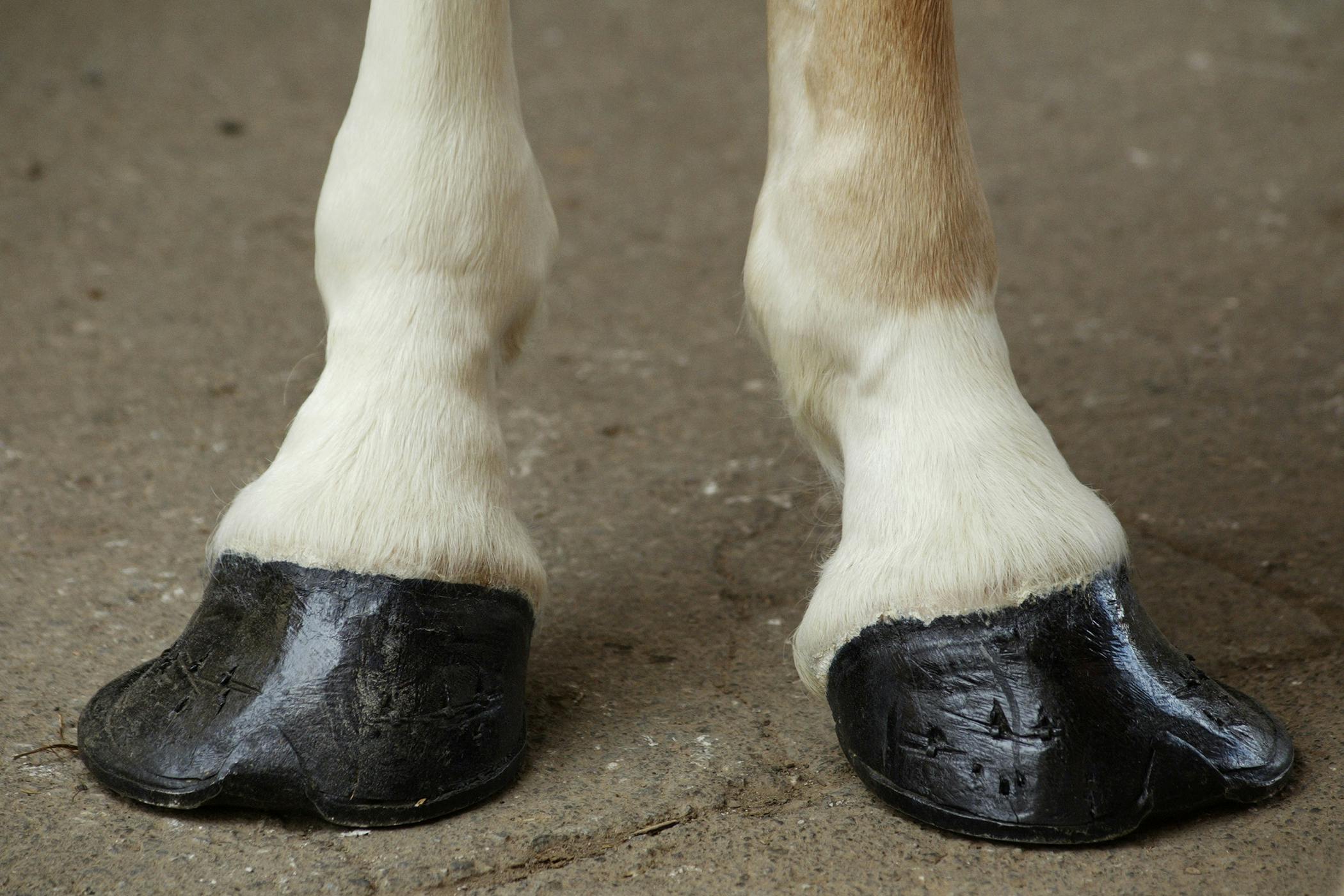
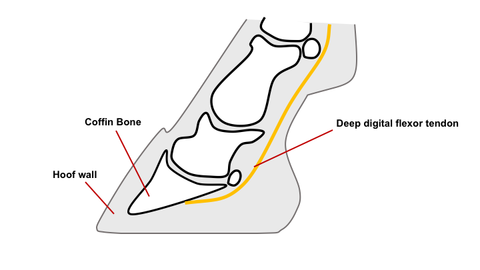
最も好ましい club foot horse grades 7601How to fix club foot horse saesipapictts5 He was diagnosed with a grade 3 club foot on the right front, and a grade 2 club foot on the left front In many horses similar to Colonel, Stay uptodate on the latest news about your horse's health with FREE newsletters from TheHorsecom Topics include Nutrition, Soundness & Lameness, Equine Behavior, Farm & Barn, Older Horse Care Club Foot Conformation in Horses Caused by abnormal contraction of the deep digital flexor tendon, a club foot puts pressure on the coffin joint and initiates a change in a hoof's biomechanics Telltale signs of a club foot may include an excessively steep hoof angle, a distended coronary band, growth rings that are wider at the heels
Club Foot In Horses Symptoms Causes Diagnosis Treatment Recovery Management Cost
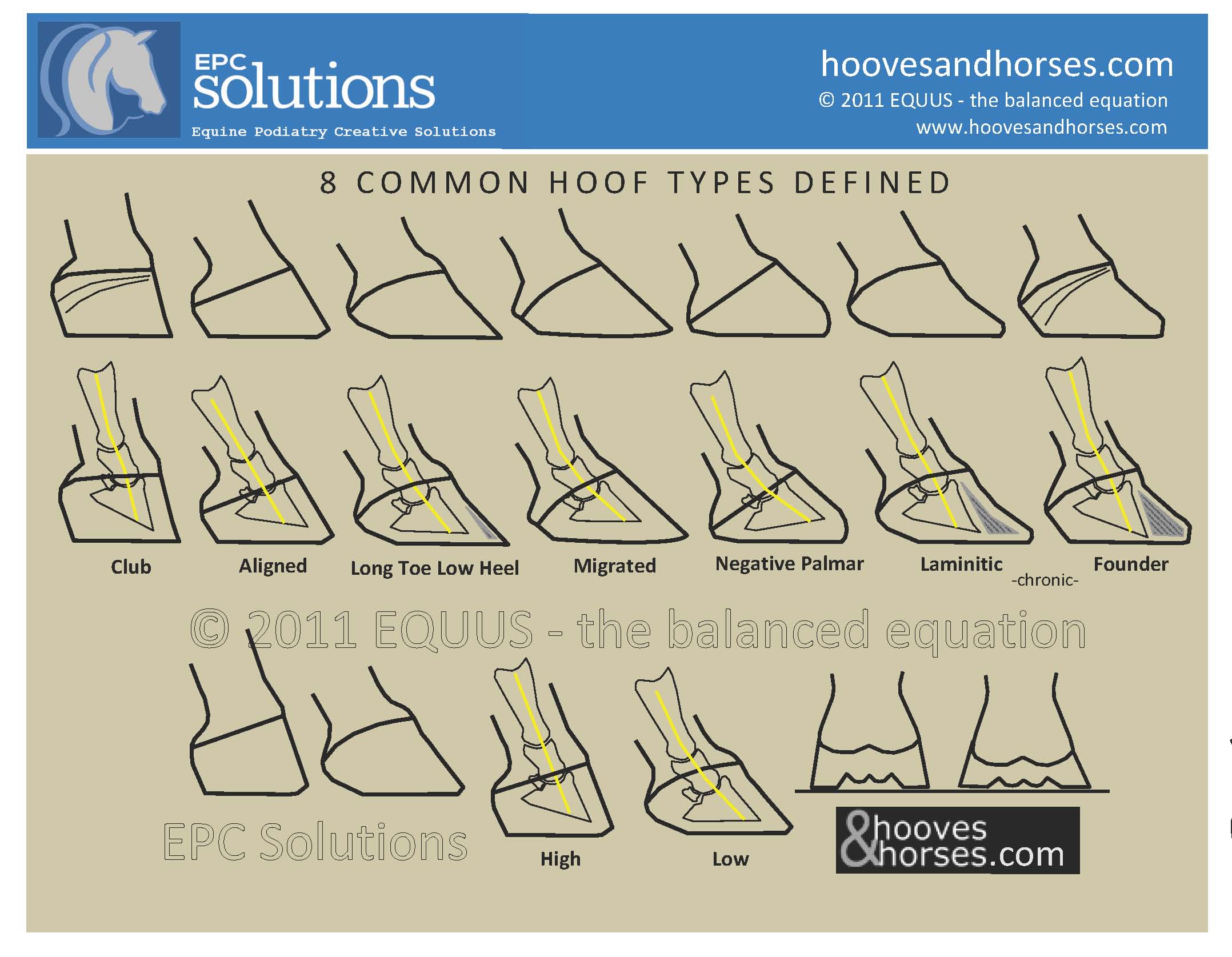
8 Hoof Types Explained
This would then allow the application of a toe extension, but this may not always be an option and depending on the severity of the club foot many horses are perfectly usable Lockie is an interesting case as most grade 34 are not likely to become useable , but with a regular hoof care plan I think we can keep him sound and able to be riddenA grading system is used to describe severity Grade 1 Three degrees greater angle than the opposite, pronounced coronary band Grade 2 Growth rings, broken forward Grade 3 Dorsal hoof wall is obviously concave Grade 4 Angle greater thanHe is pretty close to a grade 3, he also has rotation in that joint I have had him just over a week and have been medicating the raging thrush in all 4 feet, now that he took off the nasty old frog I can actually get it where it needs to go

Recognizing Various Grades Of The Club Foot Syndrome

Club Foot Ronaldmarshall

Shoeing News Club Grades Harness Racing Newsroom Usta Ustrotting
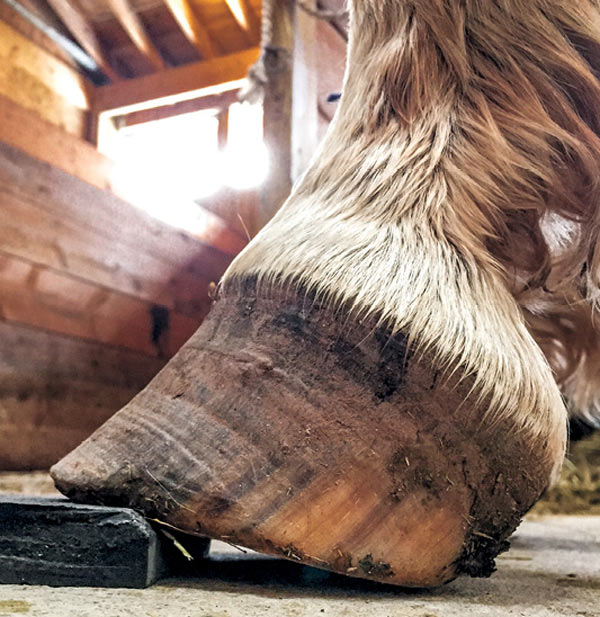
Club Foot Or Upright Foot It S All About The Angles American Farriers Journal

What Causes Club Feet American Farriers Journal

Understanding Club Foot The Horse Owner S Resource
Theneaep Com

Recognizing And Managing The Club Foot In Horses Horse Journals

What Causes Club Feet American Farriers Journal
Theneaep Com
Would You Buy A Horse With Club Foot Pics The Horse Forum

Equine Podiatry Dr Stephen O Grady Veterinarians Farriers Books Articles
ep Org
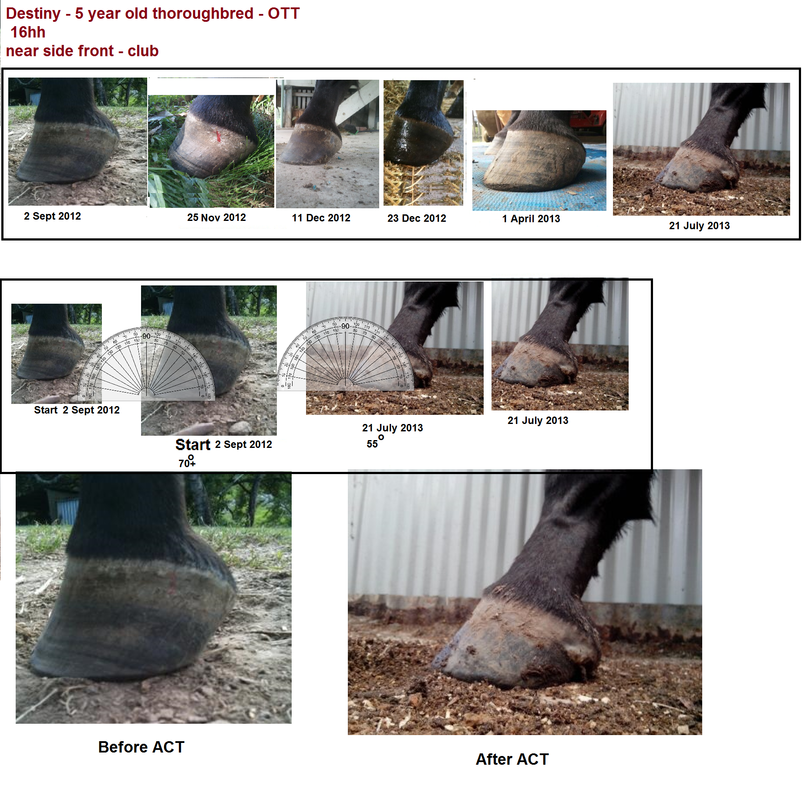
Club Foot Rehabilitation Act Trimming Strategy

Recognizing Various Grades Of The Club Foot Syndrome

Understanding Club Foot The Horse Owner S Resource
ep Org

Shoeing Options For Club Foot In Horses
Club Feet In Foals

Recognizing Various Grades Of The Club Foot Syndrome
Theneaep Com
What Causes Club Feet American Farriers Journal

28 Club Foot Ideas Club Foot Horse Health Horse Care

Equine Podiatry Dr Stephen O Grady Veterinarians Farriers Books Articles
Club Foot Syndrome Equinenews Com Au Equinenews Com Au
Theneaep Com
Club Feet In Foals

The Club Foot Is It No Big Deal Or A Deal Breaker
1
Managing The Club Hoof Easycare Hoof Boot News

Understanding Club Foot The Horse Owner S Resource

Club Foot In Horses Equine Chronicle

Recognizing And Managing The Club Foot In Horses Horse Journals
Understanding Club Foot The Horse Owner S Resource

Club Foot
Theneaep Com
Club Foot
Horse Hoof Irregularities Club Foot Integrity Horse Feed

Club Foot Just How Sore Is Your Horse Casey Son Horseshoeing School
Correct
Theneaep Com
Theneaep Com
Club Foot In Horses Brian S Burks Fox Run Equine Center Facebook
Theneaep Com

Recognizing Various Grades Of The Club Foot Syndrome

So Called Club Foot By James R Rooney Dmv

Club Foot In Horses

Club Feet The Brutal Truth David Farmilo
Equine Therapeutic Farriery Dr Stephen O Grady Veterinarians Farriers Books Articles
Managing The Club Foot The Horse

Understanding Club Foot The Horse Owner S Resource
Defining And Fixing A Horse S Club Foot American Farriers Journal

Recognizing And Managing The Club Foot In Horses Horse Journals

Recognizing And Managing The Club Foot In Horses Horse Journals

Recognizing And Managing The Club Foot In Horses Horse Journals
Managing The Club Hoof Easycare Hoof Boot News

Equine Podiatry Dr Stephen O Grady Veterinarians Farriers Books Articles
Equine Therapeutic Farriery Dr Stephen O Grady Veterinarians Farriers Books Articles

Passing The Club Foot Exam American Farriers Journal
Club Foot Or Upright Foot It S All About The Angles American Farriers Journal

Equine Podiatry Dr Stephen O Grady Veterinarians Farriers Books Articles
Managing The Club Hoof Easycare Hoof Boot News

Innovative Equine Podiatry Ric Redden Dvm Follow Up Clinic 6wks Rechecks

Figure 3 From Farriery For The Hoof With A High Heel Or Club Foot Semantic Scholar

Recognizing Various Grades Of The Club Foot Syndrome
1
Managing The Club Hoof Easycare Hoof Boot News
Theneaep Com
Performanceequinevs Com
Is This A Club Foot Horsetalk Co Nz

Understanding Club Foot The Horse Owner S Resource

Hoof Conformation Vs Horse Conformation Scoot Boots Retail

Recognizing And Managing The Club Foot In Horses Horse Journals

Lesson 4

Horse Club Foot

Club Foot Ronaldmarshall
Passing The Club Foot Exam American Farriers Journal
Podiatry Burwash Equine Services

A Club Foot Is Caused By Mobile Equine Diagnostics Inc Facebook

How To Treat Club Feet And Closely Related Deep Flexor Contraction


コメント
コメントを投稿